 https://www.calahan.com/wp-content/uploads/2025/07/Smart-Commercial-Addition-Planning-Vertical-or-Horizontal-Expansion.jpg
1250
2000
AbstraktMarketing
/wp-content/uploads/2021/02/ccs_logo_full.png
AbstraktMarketing2025-07-09 07:06:282025-12-15 14:24:34Smart Commercial Addition Planning: Vertical or Horizontal Expansion?
https://www.calahan.com/wp-content/uploads/2025/07/Smart-Commercial-Addition-Planning-Vertical-or-Horizontal-Expansion.jpg
1250
2000
AbstraktMarketing
/wp-content/uploads/2021/02/ccs_logo_full.png
AbstraktMarketing2025-07-09 07:06:282025-12-15 14:24:34Smart Commercial Addition Planning: Vertical or Horizontal Expansion?Dispelling the Boxy Building Myth
Many people still picture a plain warehouse when they hear “metal building.” Decades ago, that may have been true, when metal construction was primarily about efficiency and utility. But pre-engineered metal systems have evolved dramatically.
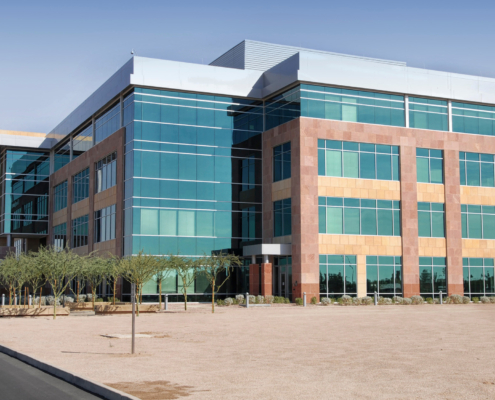
Now, designers can specify advanced finishes, multiple façade materials, glass curtain walls, and unique rooflines to achieve virtually any commercial style. Whether you’re building a corporate headquarters, municipal facility, or retail space, custom metal buildings can project the same professionalism, warmth, and identity as traditional methods.
Exterior Finishes & Architectural Details
The exterior is your first impression. Fortunately, steel construction gives you more creative control than most realize. Every panel, color, and architectural accent can be selected to match your brand, neighborhood, or project type.
Here are some of the most popular metal building design options for the exterior:
- Panel systems and cladding: Choose from insulated metal panels, ribbed vertical panels, composite metal systems, or even flat architectural sheets that mimic stucco or precast.
- Custom color palettes: Modern coatings allow hundreds of color and gloss combinations. PVDF finishes offer fade-resistant protection that lasts for decades.
- Architectural façades: Brick, stone, wood, or EIFS can be seamlessly integrated as veneers or accent walls, breaking up the steel aesthetic and adding warmth.
- Windows and glazing systems: From horizontal ribbon windows to two-story glass curtain walls, glazing can transform a building from industrial to corporate.
- Entrances and overhangs: Canopies, vestibules, and parapets provide dimension and weather protection while reinforcing architectural character.
- Roofline variety: Gabled, single-slope, or hipped roof profiles—paired with decorative trim—allow for sleek, modern appearances or traditional silhouettes.
Together, these options help custom metal buildings blend into mixed-use developments, business parks, or civic campuses with ease. The same structure that supports an industrial facility can be dressed to look like a Class A office or a contemporary retail hub.
Interior Layout & Functional Flexibility
One of the biggest advantages of metal construction lies beneath the surface: total interior freedom. The clear-span framing typical of customizable commercial buildings eliminates load-bearing walls, allowing you to define the layout over time.
Open Bays and Long Spans
Because steel can span impressive distances, interior columns are minimized or removed entirely. That means open-concept office layouts, production floors, or showroom spaces can be designed without structural constraints. As your needs evolve, non-structural partitions can be moved, extended, or removed.
Mezzanines and Multi-Level Opportunities
Need vertical efficiency? Metal buildings easily support mezzanines for offices, storage, or observation decks. Designers can incorporate stairs, elevators, and railing systems that fit your workflow. The mezzanine framing can also be pre-engineered for specific loads, saving time in later phases.
Integrated Systems and Modern Interiors
Don’t think of metal construction as purely utilitarian. Today’s interiors feature finished drywall, suspended ceilings, acoustic control, and stylish lighting. HVAC systems can be hidden or left exposed for a trendy industrial aesthetic. Wiring and mechanical systems are coordinated within the frame, ensuring both function and design cohesion.
Specialized Spaces
From clean rooms to conference suites, custom metal buildings support any function:
- Corporate offices with glass fronts and polished finishes
- Research labs with controlled environments
- Recreation and fitness spaces with column-free courts
- Retail storefronts with branded display zones
That flexibility makes them an attractive solution for developers who anticipate tenant turnover or adaptive reuse.
Branding and Architectural Identity
A building is part of your brand experience. Whether you’re welcoming clients or housing employees, the visual identity of your property communicates professionalism and culture.
With a creative design-build approach, you can integrate brand elements directly into the architecture:
- Logo integration: Embossed or backlit signage panels mounted on the façade or canopy structure.
- Accent colors: Strategic use of brand colors on trim, panels, or entryways.
- Lighting effects: LED wall washers or uplights that highlight textures or company signage.
- Transparency and openness: Floor-to-ceiling glass to create connection between interior and exterior environments.
- Texture and layering: Combine smooth and ribbed panels, perforated metal screens, or architectural louvers for visual depth.
When thoughtfully combined, these design tools turn architectural metal buildings into brand statements. Instead of fading into the background, your facility reinforces the same professionalism and identity your company projects in every other medium.
Ready to design a metal building that reflects your brand? Explore Calahan Construction’s metal building construction services and see how our design-build team helps clients achieve strength, efficiency, and architectural character in one complete package.
Overcoming Common Misconceptions
Despite the creativity possible, a few outdated myths still persist around metal building aesthetics. Let’s clear them up.
“Metal buildings all look the same.”
Not anymore. With advanced finishes and design flexibility, each project can express its own architectural language, from rustic industrial to sleek modern minimalism.
“Customization drives costs up.”
Customization adds value, not unnecessary expense. Many façade or finish upgrades are offset by reduced structural complexity and shorter construction schedules.
“They’re only suited for warehouses.”
Schools, offices, churches, event venues, and retail centers increasingly use custom metal buildings because they combine economy with high-end appeal.
“Metal limits creativity.”
In reality, the steel frame provides the structural freedom that makes creative forms and open layouts possible.
The bottom line: with a qualified design-build partner, you can push creative boundaries while staying within budget and performance goals.
Design & Budget Tips for Customization
Achieving architectural impact doesn’t have to mean overspending. A few strategic moves during design and preconstruction can balance creativity and cost:
- Start with your brand goals. Define colors, textures, and materials that reflect your company identity early in the process.
- Standardize where possible. Use common panel widths, bay spacing, and roof slopes to minimize fabrication cost.
- Blend premium and standard materials. Highlight entrances or public façades with upgraded finishes while keeping secondary elevations simple.
- Coordinate early with engineers and MEP designers. Ensuring that lighting, HVAC, and structure align prevents rework later.
- Design for the future. Include knock-out panels or expansion bays that allow growth without disrupting existing operations.
- Leverage design-build delivery. A single-source partner can manage aesthetics, budget, and schedule together, reducing surprises and delays.
These planning steps make it easier to achieve sophisticated results without losing the efficiency that makes metal buildings attractive in the first place.
Why Architects Choose Metal More Often
Architects once hesitated to specify metal buildings because of limited finish libraries or structural rigidity. That’s changed.
Modern software integration allows architects to model, visualize, and render every aspect of a pre-engineered system in 3D. Façade attachments, parapets, glazing, and finish materials can all be simulated during design. That visibility shortens approvals and ensures the final product looks exactly as envisioned.
The result is architectural metal buildings that meet aesthetic intent while maintaining construction efficiency.
Combine Form, Function, and Identity With Calahan
Today’s custom metal buildings are expressive, efficient, and adaptable. And at Calahan Construction, we’ve helped developers, municipalities, and private businesses turn basic ideas into signature facilities that stand out for decades.
Ready to bring your vision to life? Contact our team today to start planning your next customized commercial project.
https://www.calahan.com/wp-content/uploads/2025/07/Smart-Commercial-Addition-Planning-Vertical-or-Horizontal-Expansion.jpg
1250
2000
AbstraktMarketing
/wp-content/uploads/2021/02/ccs_logo_full.png
AbstraktMarketing2025-07-09 07:06:282025-12-15 14:24:34Smart Commercial Addition Planning: Vertical or Horizontal Expansion? https://www.calahan.com/wp-content/uploads/2024/01/Best-Practices-Commercial-Masonry-Repair-Maintenance-and-Restoration.jpg
1250
2000
AbstraktMarketing
/wp-content/uploads/2021/02/ccs_logo_full.png
AbstraktMarketing2024-01-15 12:40:012025-12-15 14:24:49Best Practices: Commercial Masonry Repair, Maintenance, and Restoration
https://www.calahan.com/wp-content/uploads/2024/01/Best-Practices-Commercial-Masonry-Repair-Maintenance-and-Restoration.jpg
1250
2000
AbstraktMarketing
/wp-content/uploads/2021/02/ccs_logo_full.png
AbstraktMarketing2024-01-15 12:40:012025-12-15 14:24:49Best Practices: Commercial Masonry Repair, Maintenance, and Restoration https://www.calahan.com/wp-content/uploads/2023/03/Image-of-a-pre-engineered-steel-structure-being-constructed..jpg
1250
2000
AbstraktMarketing
/wp-content/uploads/2021/02/ccs_logo_full.png
AbstraktMarketing2023-03-14 09:00:002025-12-15 14:24:57Why Are More Businesses Using Pre-Engineered Metal Buildings?
https://www.calahan.com/wp-content/uploads/2023/03/Image-of-a-pre-engineered-steel-structure-being-constructed..jpg
1250
2000
AbstraktMarketing
/wp-content/uploads/2021/02/ccs_logo_full.png
AbstraktMarketing2023-03-14 09:00:002025-12-15 14:24:57Why Are More Businesses Using Pre-Engineered Metal Buildings? https://www.calahan.com/wp-content/uploads/2021/04/Building-designer-laying-out-plans.jpg
1250
2000
AbstraktMarketing
/wp-content/uploads/2021/02/ccs_logo_full.png
AbstraktMarketing2021-10-28 09:00:002025-12-15 14:25:10What Types of Denver Building Permits Does Your Construction Project Need?
https://www.calahan.com/wp-content/uploads/2021/04/Building-designer-laying-out-plans.jpg
1250
2000
AbstraktMarketing
/wp-content/uploads/2021/02/ccs_logo_full.png
AbstraktMarketing2021-10-28 09:00:002025-12-15 14:25:10What Types of Denver Building Permits Does Your Construction Project Need?