 https://www.calahan.com/wp-content/uploads/2026/03/Why-the-Front-Range-Chooses-Pre-Engineered-Metal-Buildings-for-Industrial-Facilities.jpg
1250
2000
AbstraktMarketing
/wp-content/uploads/2021/02/ccs_logo_full.png
AbstraktMarketing2026-03-10 14:49:242026-03-27 14:24:23Why the Front Range Chooses Pre-Engineered Metal Buildings for Industrial Facilities
https://www.calahan.com/wp-content/uploads/2026/03/Why-the-Front-Range-Chooses-Pre-Engineered-Metal-Buildings-for-Industrial-Facilities.jpg
1250
2000
AbstraktMarketing
/wp-content/uploads/2021/02/ccs_logo_full.png
AbstraktMarketing2026-03-10 14:49:242026-03-27 14:24:23Why the Front Range Chooses Pre-Engineered Metal Buildings for Industrial FacilitiesWhy Steel Prices Fluctuate in the First Place
Steel is a globally traded commodity, which means its price responds to international forces as much as domestic ones. When global construction demand rises, competition for raw materials increases. When supply chain disruptions occur, production slows. These macroeconomic shifts affect the pricing of steel long before a building is designed.
Several primary drivers influence steel price volatility:
- Global demand for construction and infrastructure
- Raw material costs, including iron ore and scrap metal
- Energy and transportation costs
- Tariffs, trade policies, and import restrictions
- Manufacturing capacity and mill production levels
When these factors move simultaneously, steel pricing trends can shift rapidly. For project stakeholders tracking metal building cost, these movements can affect quotes and procurement timing in meaningful ways.
How Steel Pricing Directly Affects Metal Building Cost
Steel represents a substantial portion of a metal building’s structural system. When mills adjust their pricing, suppliers pass those changes through the supply chain. As a result, steel building pricing often drives the structural portion of a project estimate up or down. Even moderate percentage changes can significantly influence total project costs on larger industrial buildings.
It is important to note that steel does not represent the entire metal building cost. Labor, site work, foundations, insulation, doors, and finishes also contribute. However, when steel prices increase sharply, they can compress contingency budgets or require scope adjustments. On the other hand, when steel markets stabilize or decline, developers may see improved pricing flexibility.
Understanding this relationship helps early-stage planners determine whether budget shifts stem from market forces or project scope changes.
The Ripple Effect on Scheduling and Quoting
Steel volatility affects more than line-item pricing. It also influences how long quotes remain valid and how projects are scheduled.
Quote Validity Windows
When steel pricing trends are stable, suppliers may hold quotes for extended periods. During volatile cycles, quote windows often shrink. This means developers must make decisions more quickly or risk re-pricing. Shortened quote durations can introduce pressure into planning timelines.
Procurement Timing
In some cases, early purchasing of structural steel components can help lock in pricing before further increases occur. However, this strategy requires coordination with design schedules and site readiness. Delaying procurement during an upward market cycle may increase overall metal building cost.
Construction Start Dates
Fluctuating material prices can influence whether owners accelerate or delay project starts. Waiting for perceived market stabilization can seem prudent, but it carries its own risks if demand rebounds unexpectedly.
Calahan Construction’s team helps Front Range developers navigate pricing volatility with clarity and confidence. Explore our metal building construction services to see how we support smarter project planning from day one.
How Steel Price Volatility Impacts Long-Term Planning
For developers building multi-phase industrial campuses or expanding distribution networks, volatility can complicate forecasting. A project budget prepared months in advance may need updating if steel markets shift. This is why aligning project timelines with realistic cost monitoring is essential.
Budget planning becomes particularly important for organizations operating within a defined construction budget approved by boards or investors. Unexpected material escalation can strain financing assumptions. Early collaboration between design, procurement, and construction teams helps identify pricing risks before they affect project viability.
When evaluating long-term capital improvements, understanding how steel markets behave over time allows stakeholders to build more flexible financial models.
Strategies to Mitigate Risk in a Volatile Steel Market
While no contractor can control global steel markets, there are practical steps that reduce exposure to volatility. Proactive planning and coordination can protect both schedule and metal building cost.
Some commonly used strategies include:
- Early release packages for structural steel procurement
- Flexible design timelines that allow pricing to stabilize
- Value engineering adjustments to optimize steel quantities
- Transparent tracking of steel pricing trends during preconstruction
- Collaborative budgeting with contingency planning
Each approach carries tradeoffs, and the right strategy depends on project timing and market conditions. The goal is not to eliminate uncertainty entirely, but to manage it intelligently.
Is It Better to Wait for Prices to Stabilize?
A common question from stakeholders is whether delaying construction will result in lower metal building cost. The answer depends on broader market dynamics. Steel pricing trends can move in both directions, and predicting exact timing is difficult even for industry analysts.
Waiting may reduce risk during sharp price spikes, but it can also introduce new variables. Labor costs, financing conditions, and land development expenses may rise while waiting for material stabilization. In some cases, the cost of delay outweighs potential material savings.
A more practical approach is to evaluate readiness, financing, and operational timelines alongside current market indicators. This balanced view helps determine whether immediate action or strategic timing makes more sense.
The Role of Pre-Engineered Systems in Cost Predictability
Many metal structures today utilize pre-engineered systems designed to streamline fabrication and reduce on-site variability. These systems can help manage metal building cost by limiting waste and improving structural efficiency.
Because components are engineered in controlled environments, quantities are optimized before production begins. This precision can help offset fluctuations in the pricing of steel by minimizing excess material use. Additionally, faster erection timelines can reduce exposure to extended market swings.
While pre-engineered systems do not eliminate steel volatility, they often provide greater cost predictability than fully custom structural approaches.
How Calahan Helps Clients Navigate Steel Pricing Uncertainty
Market fluctuations are a reality of construction, but they do not have to derail planning. Experienced contractors monitor steel pricing trends continuously and incorporate that data into early estimates. Transparent communication around steel building pricing helps clients understand where risk exists and how it can be managed.
Preconstruction services play a crucial role in this process. Through early budgeting exercises, schedule analysis, and procurement planning, stakeholders gain clarity before committing significant capital. This proactive approach supports stronger decision-making and protects the overall construction budget.
By focusing on collaboration and real-time market awareness, projects can move forward with greater confidence—even in uncertain pricing environments.
Planning Smarter in an Unpredictable Market
Steel volatility is part of today’s construction landscape. While it influences metal building cost, it is only one piece of a larger budgeting puzzle. Understanding the forces behind pricing of steel, recognizing how steel pricing trends impact quotes and procurement, and applying thoughtful risk-mitigation strategies all contribute to better outcomes.
Developers who approach planning proactively rather than reactively are better positioned to manage uncertainty. By aligning project timing, procurement strategy, and financial planning, stakeholders can move forward with clarity even when markets fluctuate.
Plan Your Metal Building Project With Confidence
If you’re evaluating how steel market shifts could affect your next project, Calahan Construction provides transparent guidance and practical budgeting insight. Our team works with Front Range developers and business owners to monitor market conditions, plan procurement strategically, and protect overall metal building cost wherever possible. Reach out today to discuss your project goals and build with greater financial confidence.
https://www.calahan.com/wp-content/uploads/2026/03/Why-the-Front-Range-Chooses-Pre-Engineered-Metal-Buildings-for-Industrial-Facilities.jpg
1250
2000
AbstraktMarketing
/wp-content/uploads/2021/02/ccs_logo_full.png
AbstraktMarketing2026-03-10 14:49:242026-03-27 14:24:23Why the Front Range Chooses Pre-Engineered Metal Buildings for Industrial Facilities https://www.calahan.com/wp-content/uploads/2026/01/Metal-Building-Maintenance-Essentials-to-Protect-Your-Structure.jpg
1250
2000
AbstraktMarketing
/wp-content/uploads/2021/02/ccs_logo_full.png
AbstraktMarketing2026-01-22 14:42:012026-03-27 14:24:23Metal Building Maintenance Essentials to Protect Your Structure
https://www.calahan.com/wp-content/uploads/2026/01/Metal-Building-Maintenance-Essentials-to-Protect-Your-Structure.jpg
1250
2000
AbstraktMarketing
/wp-content/uploads/2021/02/ccs_logo_full.png
AbstraktMarketing2026-01-22 14:42:012026-03-27 14:24:23Metal Building Maintenance Essentials to Protect Your Structure https://www.calahan.com/wp-content/uploads/2025/11/The-Benefits-of-Pre-Engineered-Sustainable-Metal-Buildings.jpg
1024
1536
AbstraktMarketing
/wp-content/uploads/2021/02/ccs_logo_full.png
AbstraktMarketing2025-11-07 14:40:582026-03-27 14:24:24The Benefits of Pre-Engineered Sustainable Metal Buildings
https://www.calahan.com/wp-content/uploads/2025/11/The-Benefits-of-Pre-Engineered-Sustainable-Metal-Buildings.jpg
1024
1536
AbstraktMarketing
/wp-content/uploads/2021/02/ccs_logo_full.png
AbstraktMarketing2025-11-07 14:40:582026-03-27 14:24:24The Benefits of Pre-Engineered Sustainable Metal Buildings https://www.calahan.com/wp-content/uploads/2025/10/Metal-Building-Construction_-Cost-Savings-Without-Cutting-Corners.jpg
1250
2000
AbstraktMarketing
/wp-content/uploads/2021/02/ccs_logo_full.png
AbstraktMarketing2025-10-13 12:52:212026-03-27 14:24:24Achieving Metal Building Cost Savings Without Cutting Corners
https://www.calahan.com/wp-content/uploads/2025/10/Metal-Building-Construction_-Cost-Savings-Without-Cutting-Corners.jpg
1250
2000
AbstraktMarketing
/wp-content/uploads/2021/02/ccs_logo_full.png
AbstraktMarketing2025-10-13 12:52:212026-03-27 14:24:24Achieving Metal Building Cost Savings Without Cutting Corners https://www.calahan.com/wp-content/uploads/2025/09/Roadrunner-HVAC-Metal-Building.jpg
1250
2000
AbstraktMarketing
/wp-content/uploads/2021/02/ccs_logo_full.png
AbstraktMarketing2025-09-24 12:17:422026-03-27 14:24:24Understanding Long-Term Metal Building Maintenance Costs
https://www.calahan.com/wp-content/uploads/2025/09/Roadrunner-HVAC-Metal-Building.jpg
1250
2000
AbstraktMarketing
/wp-content/uploads/2021/02/ccs_logo_full.png
AbstraktMarketing2025-09-24 12:17:422026-03-27 14:24:24Understanding Long-Term Metal Building Maintenance Costs https://www.calahan.com/wp-content/uploads/2025/09/Glove-Wagon-Metal-Building.jpg
1250
2000
AbstraktMarketing
/wp-content/uploads/2021/02/ccs_logo_full.png
AbstraktMarketing2025-09-24 12:17:412026-03-27 14:24:25A Practical Guide for Confident Metal Building Construction Cost Budgeting
https://www.calahan.com/wp-content/uploads/2025/09/Glove-Wagon-Metal-Building.jpg
1250
2000
AbstraktMarketing
/wp-content/uploads/2021/02/ccs_logo_full.png
AbstraktMarketing2025-09-24 12:17:412026-03-27 14:24:25A Practical Guide for Confident Metal Building Construction Cost Budgeting https://www.calahan.com/wp-content/uploads/2024/02/Green-Construction-Ensuring-Sustainability-in-Pre-Engineered-Metal.jpg
1250
2000
AbstraktMarketing
/wp-content/uploads/2021/02/ccs_logo_full.png
AbstraktMarketing2024-02-08 14:59:012026-03-27 14:24:36Green Construction: Ensuring Sustainability in Pre-Engineered Metal
https://www.calahan.com/wp-content/uploads/2024/02/Green-Construction-Ensuring-Sustainability-in-Pre-Engineered-Metal.jpg
1250
2000
AbstraktMarketing
/wp-content/uploads/2021/02/ccs_logo_full.png
AbstraktMarketing2024-02-08 14:59:012026-03-27 14:24:36Green Construction: Ensuring Sustainability in Pre-Engineered Metal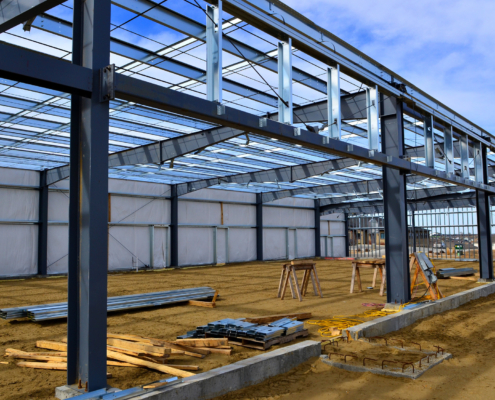 https://www.calahan.com/wp-content/uploads/2024/02/How-Long-Do-Metal-Buildings-Last-Helpful-Maintenance-Tips-for-Longevity.jpg
1250
2000
AbstraktMarketing
/wp-content/uploads/2021/02/ccs_logo_full.png
AbstraktMarketing2024-02-08 14:46:012026-03-27 14:24:37How Long Do Metal Buildings Last? Helpful Maintenance Tips for Longevity
https://www.calahan.com/wp-content/uploads/2024/02/How-Long-Do-Metal-Buildings-Last-Helpful-Maintenance-Tips-for-Longevity.jpg
1250
2000
AbstraktMarketing
/wp-content/uploads/2021/02/ccs_logo_full.png
AbstraktMarketing2024-02-08 14:46:012026-03-27 14:24:37How Long Do Metal Buildings Last? Helpful Maintenance Tips for Longevity https://www.calahan.com/wp-content/uploads/2024/01/A-Guide-to-Metal-Building_-Quality-Control-in-Construction.jpg
1250
2000
AbstraktMarketing
/wp-content/uploads/2021/02/ccs_logo_full.png
AbstraktMarketing2024-01-22 08:59:532026-03-27 14:24:37A Guide to Metal Building: Quality Control in Construction
https://www.calahan.com/wp-content/uploads/2024/01/A-Guide-to-Metal-Building_-Quality-Control-in-Construction.jpg
1250
2000
AbstraktMarketing
/wp-content/uploads/2021/02/ccs_logo_full.png
AbstraktMarketing2024-01-22 08:59:532026-03-27 14:24:37A Guide to Metal Building: Quality Control in Construction