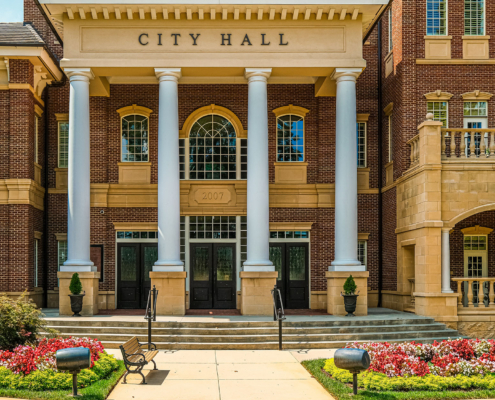
 https://www.calahan.com/wp-content/uploads/2026/09/Columns-on-City-Hall-Built-in-2007.jpg
1250
2000
AbstraktMarketing
/wp-content/uploads/2021/02/ccs_logo_full.png
AbstraktMarketing2026-09-17 07:31:422026-09-17 07:31:47Design-Build for Front Range Schools and Municipal Buildings
https://www.calahan.com/wp-content/uploads/2026/09/Columns-on-City-Hall-Built-in-2007.jpg
1250
2000
AbstraktMarketing
/wp-content/uploads/2021/02/ccs_logo_full.png
AbstraktMarketing2026-09-17 07:31:422026-09-17 07:31:47Design-Build for Front Range Schools and Municipal BuildingsThe two most common commercial construction methods on the Front Range and across the country are design-build and design-bid-build. Most owners default to whichever method they used last time, or whichever one their architect or attorney is most comfortable with. This post is for owners who want to make that choice intentionally, with a clear understanding of what each method actually delivers and where each one falls short.
How Each Method Works
The design-bid-build process is the traditional approach. Design is fully completed first, by an independent architect or engineer under a separate contract, and then the project goes out to bid. A contractor is selected, a third contract is signed, and construction begins. Three phases, three relationships, three separate points of accountability. It’s the model most people picture when they think of commercial construction, and it’s been the industry standard for decades.
Design-build construction services consolidate that entire process under one contract and one firm. The designer and builder work together from the start, which means design decisions are informed by real construction costs and schedules in real time. Phases can overlap, compressing the overall construction project timeline meaningfully. One contract, one team, one point of accountability.
Where design-bid-build separates the people responsible for your project, design-build puts them in the same room from day one.
Where the Design-Bid-Build Process Creates Problems
Owners who have been through a DBB project before tend to recognize these friction points immediately. They’re not edge cases. Instead, they’re structural features of the method that show up consistently across project types and budgets.
The Design-to-Budget Gap
On a design build vs design bid build project comparison, this is often where the difference is felt most acutely and most expensively. In the design-bid-build process, your architect designs to your vision and your stated budget, but without a contractor in the room, there’s no real-time check on whether what’s being drawn can actually be built within that number.
The project goes to bid, the numbers come back, and they’re over budget. Now you’re paying for redesign time before a single shovel has hit the ground. In design-build, the contractor is at the table during design, which means constructability and cost are being vetted continuously. The budget conversation happens once rather than twice.
The Accountability Gap
A lot can go wrong on a design-bid-build project. A detail that can’t be built as drawn, a material that doesn’t perform as specified, a scope element that falls through the cracks between design and construction. When these things happen, the architect points to the contractor and the contractor points back. The owner is left in the middle, managing a dispute between two parties who have separate contracts and separate incentives.
In design build vs design bid build scenarios, this is the friction point that consumes the most owner time and generates the most legal exposure. A design-build contractor eliminates this entirely by holding both design and construction accountability under one roof. There is no one else to point to.
The Timeline Gap
In the design-bid-build process, construction cannot begin until design is fully complete, and the bid phase adds additional time on top of that. For a mid-size commercial project, that sequential structure can add weeks or months to your overall schedule before a crew ever mobilizes.
Design build vs design bid build timelines diverge here in ways that have real business consequences, like delayed openings, extended carrying costs, longer periods of operational disruption for occupied facilities. Design-build’s ability to overlap design and construction phases isn’t a minor efficiency. On the right project, it’s a meaningful competitive advantage.
When Design-Bid-Build Still Makes Sense
Design-build isn’t always the right answer, and any contractor who tells you otherwise isn’t being straight with you. There are specific scenarios where the design-bid-build process is appropriate—or even required:
- Public and government projects. Projects subject to competitive bidding laws, like CDOT work, municipal buildings, and school districts governed by public procurement statutes, often mandate DBB. This is a legal requirement.
- Projects with completed, construction-ready design. If you already have stamped, fully permitted drawings and simply need a builder to execute them, DBB may be a practical fit. The design-build advantage diminishes when design work is already done.
- Highly specialized technical builds. Projects where the designer requires full independence from the contractor to maintain objectivity are a good fit. Certain laboratory, research, or infrastructure projects fall into this category.
For private commercial owners, like those developing industrial facilities, office space, retail, or senior living, the calculus almost always favors design-build. The scenarios above are exceptions, but they’re narrower than most owners assume.
What Each Method Means for You as the Owner
The practical difference between design build vs design bid build shows up in how you spend your time from the first meeting to the final walkthrough. On a design-bid-build project, you are effectively the integrator. You’re managing a relationship with your architect, a separate relationship with your contractor, and the space between them where most of the friction lives.
When the design comes back over budget, you’re the one coordinating the redesign conversation. When the contractor has a question about design intent, it routes through you. When priorities conflict between the two parties, you’re the tiebreaker.
For owners with dedicated project management staff, that workload is manageable. For everyone else, it’s a significant drain on time and attention that has nothing to do with actually moving the project forward.
Design-build changes that dynamic. Your primary relationship is with one firm, and that firm is responsible for resolving the coordination, communication, and decision-making internally. You’re still involved, but your involvement is focused on decisions that actually require your input rather than managing the relationship between parties who should already be talking.
For a first-time commercial builder or an operator managing an occupied renovation alongside daily business operations, that difference is hard to overstate.
Calahan Construction’s design-build construction services bring architecture, engineering, and construction together under one contract. See how we give commercial owners across the Front Range a faster, more cost-certain path from concept to completion.
How to Choose Your Delivery Method
Before committing to either approach, work through these five questions. They won’t make the decision for you, but they’ll surface the factors that matter most for your specific project.
- Is this project subject to public competitive bidding requirements? If yes, DBB may not be optional. Confirm with your legal counsel before assuming you have a choice.
- How complete is your design, and do you have the budget to redesign if bids come back over? If you’re starting from scratch or working with a preliminary concept, the design-to-budget risk of DBB is very real.
- How much bandwidth do you have to manage separate contractor and architect relationships? DBB requires active owner involvement in coordinating two parties who don’t share accountability. If that’s not where you want to spend your time, it matters.
- How important is schedule compression to your business? If an earlier opening date has measurable financial value, such as revenue, lease obligations, or operational continuity, the construction project timeline advantages of design-build are worth pricing into your decision.
- Do you want a single point of accountability or separate parties with separate contracts? This is ultimately a risk question. In design build vs design bid build comparisons, accountability structure is the variable that owners most consistently underestimate until something goes wrong.
Ready to Talk Through Your Options?
Choosing between design build vs design bid build is one of the most consequential decisions you’ll make before a project moves forward, and it’s worth getting right. Calahan Construction offers free pre-construction consultations to help Colorado commercial owners think through their[project delivery options and build a plan before committing to anything.
Reach out today and let’s talk through what your project actually needs.
https://www.calahan.com/wp-content/uploads/2026/09/Columns-on-City-Hall-Built-in-2007.jpg
1250
2000
AbstraktMarketing
/wp-content/uploads/2021/02/ccs_logo_full.png
AbstraktMarketing2026-09-17 07:31:422026-09-17 07:31:47Design-Build for Front Range Schools and Municipal Buildings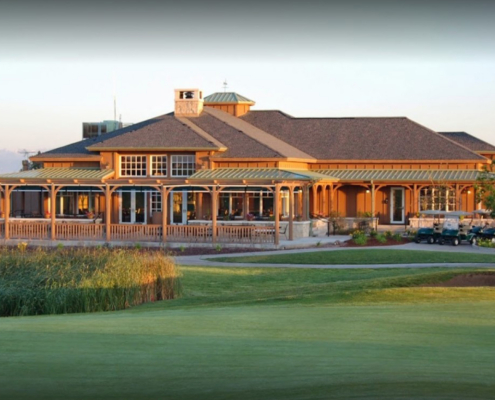 https://www.calahan.com/wp-content/uploads/2026/08/Denver-Commercial-Construction-Costs-A-Complete-2026-Guide-to-Budgeting-Your-Project.jpg
1250
2000
AbstraktMarketing
/wp-content/uploads/2021/02/ccs_logo_full.png
AbstraktMarketing2026-08-27 11:04:592026-08-27 11:05:05Denver Commercial Construction Costs: A Complete 2026 Guide to Budgeting Your Project
https://www.calahan.com/wp-content/uploads/2026/08/Denver-Commercial-Construction-Costs-A-Complete-2026-Guide-to-Budgeting-Your-Project.jpg
1250
2000
AbstraktMarketing
/wp-content/uploads/2021/02/ccs_logo_full.png
AbstraktMarketing2026-08-27 11:04:592026-08-27 11:05:05Denver Commercial Construction Costs: A Complete 2026 Guide to Budgeting Your Project https://www.calahan.com/wp-content/uploads/2026/07/Industrial-team-evaluate-the-production-process-in-high-tech-manufacturing-plant.jpg
1250
2000
AbstraktMarketing
/wp-content/uploads/2021/02/ccs_logo_full.png
AbstraktMarketing2026-07-27 13:41:422026-07-27 13:41:47From Floor Plan to Factory Floor: The Industrial Design-Build Advantage for Colorado Facilities
https://www.calahan.com/wp-content/uploads/2026/07/Industrial-team-evaluate-the-production-process-in-high-tech-manufacturing-plant.jpg
1250
2000
AbstraktMarketing
/wp-content/uploads/2021/02/ccs_logo_full.png
AbstraktMarketing2026-07-27 13:41:422026-07-27 13:41:47From Floor Plan to Factory Floor: The Industrial Design-Build Advantage for Colorado Facilities https://www.calahan.com/wp-content/uploads/2026/04/Your-Design-Build-Construction-Process-Checklist.jpg
1250
2000
AbstraktMarketing
/wp-content/uploads/2021/02/ccs_logo_full.png
AbstraktMarketing2026-04-04 08:15:192026-05-12 14:25:07Your Design-Build Construction Process Checklist
https://www.calahan.com/wp-content/uploads/2026/04/Your-Design-Build-Construction-Process-Checklist.jpg
1250
2000
AbstraktMarketing
/wp-content/uploads/2021/02/ccs_logo_full.png
AbstraktMarketing2026-04-04 08:15:192026-05-12 14:25:07Your Design-Build Construction Process Checklist https://www.calahan.com/wp-content/uploads/2026/04/A-Complete-Guide-to-the-Design-Build-Construction-Process.jpg
1250
2000
AbstraktMarketing
/wp-content/uploads/2021/02/ccs_logo_full.png
AbstraktMarketing2026-04-04 08:08:212026-05-12 14:25:07What Is Design-Build Construction and Why Is It Beneficial?
https://www.calahan.com/wp-content/uploads/2026/04/A-Complete-Guide-to-the-Design-Build-Construction-Process.jpg
1250
2000
AbstraktMarketing
/wp-content/uploads/2021/02/ccs_logo_full.png
AbstraktMarketing2026-04-04 08:08:212026-05-12 14:25:07What Is Design-Build Construction and Why Is It Beneficial? https://www.calahan.com/wp-content/uploads/2026/03/Making-the-Right-Call-for-Front-Range-Schools-and-Municipal-Buildings.jpg
1250
2000
AbstraktMarketing
/wp-content/uploads/2021/02/ccs_logo_full.png
AbstraktMarketing2026-03-10 14:54:042026-05-12 14:25:08Remodel or Rebuild? Making the Right Call for Front Range Schools and Municipal Buildings
https://www.calahan.com/wp-content/uploads/2026/03/Making-the-Right-Call-for-Front-Range-Schools-and-Municipal-Buildings.jpg
1250
2000
AbstraktMarketing
/wp-content/uploads/2021/02/ccs_logo_full.png
AbstraktMarketing2026-03-10 14:54:042026-05-12 14:25:08Remodel or Rebuild? Making the Right Call for Front Range Schools and Municipal Buildings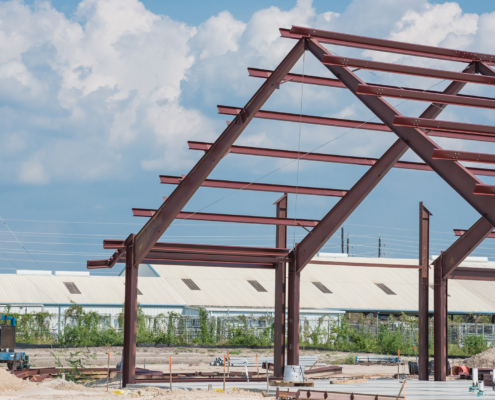 https://www.calahan.com/wp-content/uploads/2026/03/Why-the-Front-Range-Chooses-Pre-Engineered-Metal-Buildings-for-Industrial-Facilities.jpg
1250
2000
AbstraktMarketing
/wp-content/uploads/2021/02/ccs_logo_full.png
AbstraktMarketing2026-03-10 14:49:242026-05-12 14:25:08Why the Front Range Chooses Pre-Engineered Metal Buildings for Industrial Facilities
https://www.calahan.com/wp-content/uploads/2026/03/Why-the-Front-Range-Chooses-Pre-Engineered-Metal-Buildings-for-Industrial-Facilities.jpg
1250
2000
AbstraktMarketing
/wp-content/uploads/2021/02/ccs_logo_full.png
AbstraktMarketing2026-03-10 14:49:242026-05-12 14:25:08Why the Front Range Chooses Pre-Engineered Metal Buildings for Industrial Facilities https://www.calahan.com/wp-content/uploads/2026/01/Metal-Building-Maintenance-Essentials-to-Protect-Your-Structure.jpg
1250
2000
AbstraktMarketing
/wp-content/uploads/2021/02/ccs_logo_full.png
AbstraktMarketing2026-01-22 14:42:012026-05-12 14:25:08Metal Building Maintenance Essentials to Protect Your Structure
https://www.calahan.com/wp-content/uploads/2026/01/Metal-Building-Maintenance-Essentials-to-Protect-Your-Structure.jpg
1250
2000
AbstraktMarketing
/wp-content/uploads/2021/02/ccs_logo_full.png
AbstraktMarketing2026-01-22 14:42:012026-05-12 14:25:08Metal Building Maintenance Essentials to Protect Your Structure https://www.calahan.com/wp-content/uploads/2025/11/The-Benefits-of-Pre-Engineered-Sustainable-Metal-Buildings.jpg
1024
1536
AbstraktMarketing
/wp-content/uploads/2021/02/ccs_logo_full.png
AbstraktMarketing2025-11-07 14:40:582026-05-12 14:25:09The Benefits of Pre-Engineered Sustainable Metal Buildings
https://www.calahan.com/wp-content/uploads/2025/11/The-Benefits-of-Pre-Engineered-Sustainable-Metal-Buildings.jpg
1024
1536
AbstraktMarketing
/wp-content/uploads/2021/02/ccs_logo_full.png
AbstraktMarketing2025-11-07 14:40:582026-05-12 14:25:09The Benefits of Pre-Engineered Sustainable Metal Buildings