 https://www.calahan.com/wp-content/uploads/2026/03/Why-the-Front-Range-Chooses-Pre-Engineered-Metal-Buildings-for-Industrial-Facilities.jpg
1250
2000
AbstraktMarketing
/wp-content/uploads/2021/02/ccs_logo_full.png
AbstraktMarketing2026-03-10 14:49:242026-03-23 14:27:08Why the Front Range Chooses Pre-Engineered Metal Buildings for Industrial Facilities
https://www.calahan.com/wp-content/uploads/2026/03/Why-the-Front-Range-Chooses-Pre-Engineered-Metal-Buildings-for-Industrial-Facilities.jpg
1250
2000
AbstraktMarketing
/wp-content/uploads/2021/02/ccs_logo_full.png
AbstraktMarketing2026-03-10 14:49:242026-03-23 14:27:08Why the Front Range Chooses Pre-Engineered Metal Buildings for Industrial FacilitiesThe Core Differences Between the Two Methods
Before comparing costs, it is important to understand how these systems differ structurally.
Tilt-up construction involves pouring large concrete wall panels on-site and lifting them into place using cranes. The panels serve as both structural and exterior wall systems, often supported by steel roof framing. Tilt-up construction has been popular for large industrial buildings because of its durability and clean exterior appearance.
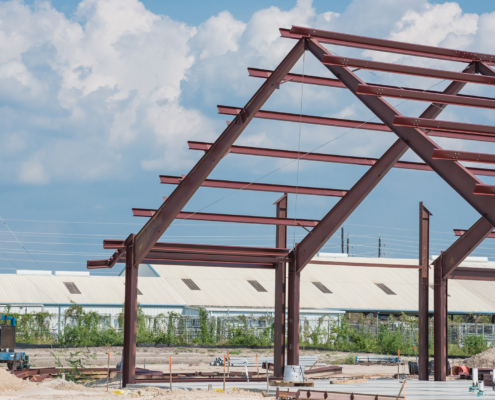
By contrast, most modern metal buildings use steel framing systems combined with insulated metal panel or metal siding systems. Many projects utilize pre-engineered metal buildings, where structural components are manufactured off-site and assembled on location. These systems streamline fabrication and reduce on-site variability, which plays a direct role in metal building construction cost predictability.
Upfront Construction Costs: Materials, Labor, and Foundations
At a high level, both systems can fall within competitive cost ranges depending on building size and complexity. However, what drives those numbers differs significantly.
Several key factors influence metal building construction cost:
- Factory-fabricated structural components reduce on-site labor hours
- Lighter structural weight often lowers foundation requirements
- Simplified erection processes reduce crane and specialty labor time
- Engineered systems limit material waste
Tilt-up construction cost, on the other hand, is influenced by:
- High concrete material volume
- On-site forming, pouring, and curing time
- Significant crane operations
- Larger foundation systems due to panel weight
Because tilt-up relies heavily on field labor and site conditions, fluctuations in concrete pricing and labor availability can impact final costs more dramatically. On the Front Range, where skilled labor shortages can slow concrete-intensive projects, this can create added risk.
How Construction Speed Impacts Overall Project Cost
Speed is not just a scheduling concern; it directly affects financial outcomes. The longer a project takes, the longer capital is tied up and the later revenue generation begins.
Metal Building Schedule Advantages
Metal systems are often delivered faster because structural components arrive pre-engineered and ready for assembly. Once foundations are complete, erection proceeds quickly with smaller crews. Reduced on-site fabrication minimizes weather-related slowdowns, which is especially important in Colorado’s winter months.
Tilt-Up Timeline Considerations
Tilt-up construction requires forming, pouring, and curing large panels before erection can occur. Cold weather can slow curing times, while rain or snow can delay site work. Although tilt-up can be efficient in optimal conditions, the schedule risk can increase in less predictable seasons.
In many cases, faster timelines help offset metal building construction cost, especially for developers prioritizing occupancy dates.
For teams evaluating new facility options on the Front Range, Calahan’s commercial construction services are here to help compare methods, schedules, and costs with clarity. Learn more about our new construction services today.
Lifecycle and Maintenance Costs Over Time
Initial pricing only tells part of the story. Long-term operational and maintenance expectations significantly affect total investment value.
Metal buildings typically require less surface maintenance because steel panels are factory-coated and resistant to cracking. Structural steel systems also allow easier expansion and modification. Over time, this flexibility can reduce renovation expenses as operational needs evolve.
Tilt-up buildings offer strong durability but may require periodic sealing, joint maintenance, and concrete repair over time. While structurally robust, modifications to tilt-up wall panels can be more complex and costly. When evaluating metal building construction cost, factoring in future adaptability often shifts the financial comparison.
Design Flexibility and Scalability as Cost Drivers
Cost also concerns how efficiently a building supports operations.
Metal systems often provide large clear-span interiors without load-bearing interior walls. This allows flexible layouts for racking, automation, or manufacturing equipment. Expansion can be engineered into the original design, reducing future structural alterations.
Tilt-up construction also offers wide-open interiors but can involve heavier structural integration between walls and roof systems. Expansion sometimes requires more extensive structural modification. When future growth is anticipated, the flexibility built into metal building construction details can influence long-term financial planning.
Region-Specific Cost Factors on the Front Range
Colorado’s Front Range presents unique construction variables that impact both methods.
Labor Market Dynamics
Concrete-intensive projects depend heavily on skilled labor availability. When labor is tight, tilt-up construction cost may increase due to scheduling delays or premium wages. Metal erection crews are often smaller and more specialized, potentially reducing labor bottlenecks.
Weather and Seasonal Constraints
Winter conditions can slow concrete curing and complicate tilt-up scheduling. Metal systems, while not immune to weather, typically experience fewer weather-related process delays once foundations are complete.
Site Conditions and Access
Sites with limited space may complicate tilt-up panel casting operations, which require large staging areas. Metal systems often require less staging space, which can improve logistics on constrained industrial sites.
These regional factors can shift the cost comparison significantly depending on project timing and location.
When Metal Buildings Tend to Be More Cost-Effective
Metal construction often becomes the stronger financial choice in scenarios such as:
- Projects with tight timelines
- Sites with limited staging space
- Facilities expecting future expansion
- Developments seeking cost predictability early in design
- Buildings requiring lighter foundation systems
In these situations, the efficiency and scalability advantages can make metal building construction cost more attractive overall.
When Tilt-Up Construction May Offer Advantages
Tilt-up may become competitive or favorable in cases where:
- Large wall heights are central to structural strategy
- Architectural concrete finishes are desired
- Long-term durability in high-impact environments is a primary priority
- Site conditions are ideal for panel casting and crane operations
For some developers, tilt-up construction aligns well with branding, appearance, or specific performance expectations. The key is aligning method with project goals rather than defaulting to familiarity.
Evaluating Value Beyond the Initial Bid
Ultimately, comparing metal building construction cost with tilt-up alternatives requires a holistic view. Material pricing, labor volatility, weather exposure, foundation complexity, and operational flexibility all play a role. A method that appears less expensive per square foot may become more costly when schedule delays, expansion needs, or maintenance requirements are considered.
Front Range developers benefit from evaluating both options early, using real site data and operational forecasts. This approach prevents surprises and supports more accurate budgeting. Cost-smart decisions come from understanding how construction method interacts with regional realities and long-term facility strategy.
Build Smarter With Clear Cost Insight
Calahan Construction works with Front Range developers and facility planners to evaluate metal building construction cost, tilt-up construction cost, and long-term value with transparency and precision. If you’re planning a new industrial or commercial facility, our team can help you analyze the numbers, weigh the tradeoffs, and move forward with confidence. Reach out today to start the conversation.
https://www.calahan.com/wp-content/uploads/2026/03/Why-the-Front-Range-Chooses-Pre-Engineered-Metal-Buildings-for-Industrial-Facilities.jpg
1250
2000
AbstraktMarketing
/wp-content/uploads/2021/02/ccs_logo_full.png
AbstraktMarketing2026-03-10 14:49:242026-03-23 14:27:08Why the Front Range Chooses Pre-Engineered Metal Buildings for Industrial Facilities https://www.calahan.com/wp-content/uploads/2026/01/Metal-Building-Maintenance-Essentials-to-Protect-Your-Structure.jpg
1250
2000
AbstraktMarketing
/wp-content/uploads/2021/02/ccs_logo_full.png
AbstraktMarketing2026-01-22 14:42:012026-03-23 14:27:08Metal Building Maintenance Essentials to Protect Your Structure
https://www.calahan.com/wp-content/uploads/2026/01/Metal-Building-Maintenance-Essentials-to-Protect-Your-Structure.jpg
1250
2000
AbstraktMarketing
/wp-content/uploads/2021/02/ccs_logo_full.png
AbstraktMarketing2026-01-22 14:42:012026-03-23 14:27:08Metal Building Maintenance Essentials to Protect Your Structure https://www.calahan.com/wp-content/uploads/2025/11/The-Benefits-of-Pre-Engineered-Sustainable-Metal-Buildings.jpg
1024
1536
AbstraktMarketing
/wp-content/uploads/2021/02/ccs_logo_full.png
AbstraktMarketing2025-11-07 14:40:582026-03-23 14:27:10The Benefits of Pre-Engineered Sustainable Metal Buildings
https://www.calahan.com/wp-content/uploads/2025/11/The-Benefits-of-Pre-Engineered-Sustainable-Metal-Buildings.jpg
1024
1536
AbstraktMarketing
/wp-content/uploads/2021/02/ccs_logo_full.png
AbstraktMarketing2025-11-07 14:40:582026-03-23 14:27:10The Benefits of Pre-Engineered Sustainable Metal Buildings https://www.calahan.com/wp-content/uploads/2025/10/Metal-Building-Construction_-Cost-Savings-Without-Cutting-Corners.jpg
1250
2000
AbstraktMarketing
/wp-content/uploads/2021/02/ccs_logo_full.png
AbstraktMarketing2025-10-13 12:52:212026-03-23 14:27:10Achieving Metal Building Cost Savings Without Cutting Corners
https://www.calahan.com/wp-content/uploads/2025/10/Metal-Building-Construction_-Cost-Savings-Without-Cutting-Corners.jpg
1250
2000
AbstraktMarketing
/wp-content/uploads/2021/02/ccs_logo_full.png
AbstraktMarketing2025-10-13 12:52:212026-03-23 14:27:10Achieving Metal Building Cost Savings Without Cutting Corners https://www.calahan.com/wp-content/uploads/2025/09/Roadrunner-HVAC-Metal-Building.jpg
1250
2000
AbstraktMarketing
/wp-content/uploads/2021/02/ccs_logo_full.png
AbstraktMarketing2025-09-24 12:17:422026-03-23 14:27:11Understanding Long-Term Metal Building Maintenance Costs
https://www.calahan.com/wp-content/uploads/2025/09/Roadrunner-HVAC-Metal-Building.jpg
1250
2000
AbstraktMarketing
/wp-content/uploads/2021/02/ccs_logo_full.png
AbstraktMarketing2025-09-24 12:17:422026-03-23 14:27:11Understanding Long-Term Metal Building Maintenance Costs https://www.calahan.com/wp-content/uploads/2025/09/Glove-Wagon-Metal-Building.jpg
1250
2000
AbstraktMarketing
/wp-content/uploads/2021/02/ccs_logo_full.png
AbstraktMarketing2025-09-24 12:17:412026-03-23 14:27:11A Practical Guide for Confident Metal Building Construction Cost Budgeting
https://www.calahan.com/wp-content/uploads/2025/09/Glove-Wagon-Metal-Building.jpg
1250
2000
AbstraktMarketing
/wp-content/uploads/2021/02/ccs_logo_full.png
AbstraktMarketing2025-09-24 12:17:412026-03-23 14:27:11A Practical Guide for Confident Metal Building Construction Cost Budgeting https://www.calahan.com/wp-content/uploads/2024/02/Green-Construction-Ensuring-Sustainability-in-Pre-Engineered-Metal.jpg
1250
2000
AbstraktMarketing
/wp-content/uploads/2021/02/ccs_logo_full.png
AbstraktMarketing2024-02-08 14:59:012026-03-23 14:27:26Green Construction: Ensuring Sustainability in Pre-Engineered Metal
https://www.calahan.com/wp-content/uploads/2024/02/Green-Construction-Ensuring-Sustainability-in-Pre-Engineered-Metal.jpg
1250
2000
AbstraktMarketing
/wp-content/uploads/2021/02/ccs_logo_full.png
AbstraktMarketing2024-02-08 14:59:012026-03-23 14:27:26Green Construction: Ensuring Sustainability in Pre-Engineered Metal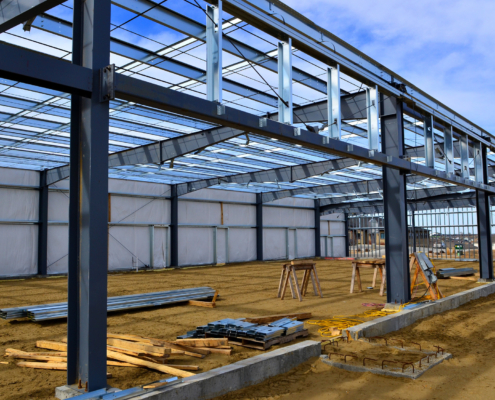 https://www.calahan.com/wp-content/uploads/2024/02/How-Long-Do-Metal-Buildings-Last-Helpful-Maintenance-Tips-for-Longevity.jpg
1250
2000
AbstraktMarketing
/wp-content/uploads/2021/02/ccs_logo_full.png
AbstraktMarketing2024-02-08 14:46:012026-03-23 14:27:26How Long Do Metal Buildings Last? Helpful Maintenance Tips for Longevity
https://www.calahan.com/wp-content/uploads/2024/02/How-Long-Do-Metal-Buildings-Last-Helpful-Maintenance-Tips-for-Longevity.jpg
1250
2000
AbstraktMarketing
/wp-content/uploads/2021/02/ccs_logo_full.png
AbstraktMarketing2024-02-08 14:46:012026-03-23 14:27:26How Long Do Metal Buildings Last? Helpful Maintenance Tips for Longevity https://www.calahan.com/wp-content/uploads/2024/01/A-Guide-to-Metal-Building_-Quality-Control-in-Construction.jpg
1250
2000
AbstraktMarketing
/wp-content/uploads/2021/02/ccs_logo_full.png
AbstraktMarketing2024-01-22 08:59:532026-03-23 14:27:26A Guide to Metal Building: Quality Control in Construction
https://www.calahan.com/wp-content/uploads/2024/01/A-Guide-to-Metal-Building_-Quality-Control-in-Construction.jpg
1250
2000
AbstraktMarketing
/wp-content/uploads/2021/02/ccs_logo_full.png
AbstraktMarketing2024-01-22 08:59:532026-03-23 14:27:26A Guide to Metal Building: Quality Control in Construction